
The Future of Teacher Education in India: Preparing Educators for the 21st Century
Introduction
Education has always been regarded as the cornerstone of a progressive society. It empowers individuals with knowledge, nurtures critical thinking, and shapes responsible citizens who contribute to the nation's development. At the heart of every successful education system lies one of its most influential pillars—the teacher. Teachers do much more than simply deliver lessons; they inspire curiosity, build confidence, instill values, and prepare students for life.
As India moves towards becoming a global knowledge economy, the expectations from educators are evolving rapidly. Today's classrooms are vastly different from those of the past. Technology, artificial intelligence, digital learning platforms, inclusive education, competency-based curricula, and changing student needs are transforming the educational landscape. Consequently, teacher education has also undergone significant changes to prepare educators for these modern challenges.
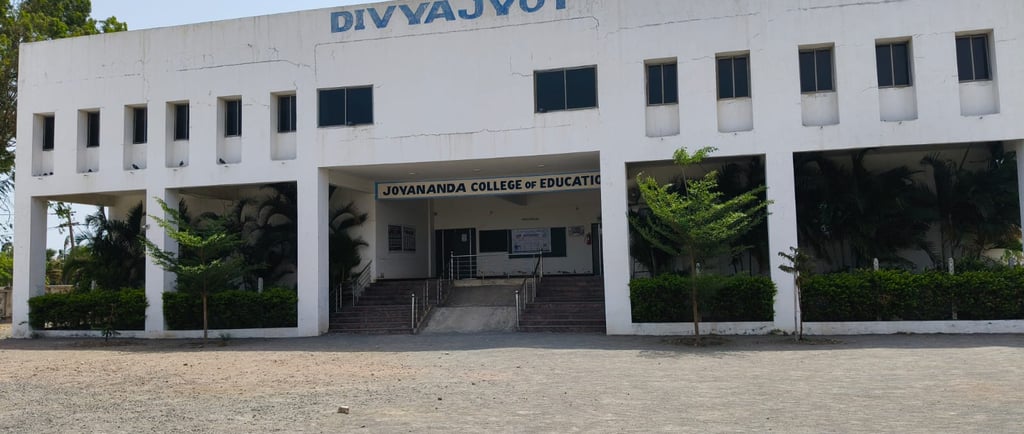
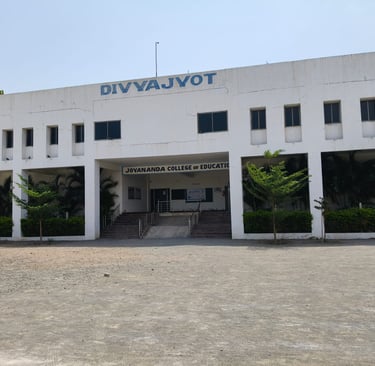
At Joyananda College of Education, we believe that preparing future teachers requires more than academic excellence. It demands innovation, compassion, leadership, adaptability, and a commitment to lifelong learning. Our institution strives to nurture aspiring educators who are ready to lead classrooms with confidence while inspiring future generations.
---
The Changing Role of Teachers
Gone are the days when teachers were viewed merely as providers of information. Today, students have instant access to information through the internet and digital devices. The modern teacher's role is to guide students in understanding, analyzing, evaluating, and applying knowledge effectively.
A teacher today acts as:
A mentor who motivates students.
A facilitator who encourages active participation.
A counselor who understands emotional needs.
A leader who inspires confidence.
A lifelong learner who continuously updates professional skills.
Modern classrooms emphasize collaboration rather than one-way instruction. Teachers encourage discussion, creativity, project-based learning, and problem-solving instead of rote memorization.
---
Why Teacher Education Matters More Than Ever
Teacher education serves as the foundation upon which effective teaching practices are built. A well-designed B.Ed. programme prepares future educators with both theoretical knowledge and practical teaching skills.
Professional teacher education helps aspiring educators understand:
Educational psychology
Child development
Classroom management
Curriculum planning
Assessment techniques
Inclusive education
Educational technology
Communication skills
Professional ethics
These competencies ensure that graduates enter classrooms with confidence and the ability to address diverse learning needs.
---
Technology is Transforming Education
The digital revolution has significantly changed how students learn and how teachers teach.
Future teachers must become comfortable using technology to:
Create engaging presentations
Conduct virtual classrooms
Design digital assignments
Evaluate student performance online
Encourage collaborative learning
Access international educational resources
Rather than replacing teachers, technology enhances their effectiveness by making learning more interactive and student-centered.
At Joyananda College of Education, students are encouraged to integrate digital tools into lesson planning and classroom teaching to prepare for modern educational environments.
---
Learning Beyond the Classroom
Excellent teachers are developed through experience as much as through theory.
Teacher education institutions now emphasize experiential learning through:
Practice teaching
School internships
Demonstration lessons
Micro-teaching sessions
Community engagement
Educational field visits
Workshops and seminars
These activities provide valuable exposure to real classroom situations and help student teachers build confidence before beginning their professional careers.
Practical learning enables future educators to understand student behaviour, classroom dynamics, and effective teaching strategies.
---
Building Essential Skills for the 21st Century
Today's educators require much more than subject expertise.
Some of the most valuable professional skills include:
Communication Skills
Teachers must explain complex concepts in simple, engaging ways while encouraging open dialogue among students.
Leadership
Teachers inspire students through positive leadership, teamwork, and motivation.
Creativity
Creative teaching methods make lessons enjoyable and improve student participation.
Critical Thinking
Educators encourage students to question, analyze, and solve problems independently.
Emotional Intelligence
Understanding students' emotions helps teachers build supportive learning environments where every learner feels respected.
---
Inclusive Education: Teaching Every Learner
Modern classrooms consist of students from diverse social, economic, linguistic, and cultural backgrounds.
Some learners may have different learning abilities or special educational needs.
Inclusive education ensures that every child receives equal opportunities regardless of individual differences.
Future teachers must learn to:
Adapt teaching strategies
Create accessible learning materials
Encourage collaboration
Promote equality
Build respectful classroom environments
An inclusive classroom not only benefits students with special needs but enriches learning experiences for everyone.
---
Lifelong Learning for Teachers
Education never stands still.
New teaching methods, curriculum reforms, technological innovations, and educational research continuously reshape the profession.
Successful teachers embrace lifelong learning by:
Attending workshops
Pursuing higher education
Participating in research
Reading educational journals
Learning new technologies
Collaborating with fellow educators
Professional growth enables teachers to remain effective throughout their careers.
---
The Importance of Ethics in Teaching
Teaching is one of the most respected professions because it carries immense responsibility.
Teachers influence not only academic achievement but also students' character and values.
Professional ethics include:
Honesty
Fairness
Respect
Integrity
Compassion
Accountability
Confidentiality
Ethical educators build trust among students, parents, and society while creating positive learning environments.
---
Career Opportunities After B.Ed.
A Bachelor of Education opens numerous career pathways.
Graduates may pursue careers as:
School Teachers
Higher Secondary Teachers
Educational Coordinators
Academic Consultants
Curriculum Developers
Online Educators
Coaching Faculty
Education Researchers
School Administrators
Educational Content Developers
Many graduates also continue higher education through M.Ed., NET, SET, or Ph.D. programmes to expand their professional opportunities.
---
Joyananda College of Education: Shaping Tomorrow's Educators
At Joyananda College of Education, we are committed to nurturing competent, compassionate, and innovative educators.
Our approach combines:
Academic excellence
Practical teaching experience
Modern teaching methodologies
Professional ethics
Student-centered learning
Holistic personality development
We believe every future teacher has the potential to inspire positive change in countless lives.
---
Conclusion
The future of education depends on the quality of teachers we prepare today. As classrooms continue to evolve with technological advancements, diverse learning needs, and global educational trends, educators must be equipped with knowledge, skills, creativity, and compassion.
Teacher education is no longer just about earning a degree—it is about becoming a leader, mentor, innovator, and lifelong learner. Institutions like Joyananda College of Education play a vital role in developing professionals who can shape the future of education with confidence and integrity.
Whether you aspire to teach young minds, lead educational institutions, or contribute to academic research, the journey begins with quality teacher education. Together, we can build classrooms that inspire curiosity, foster excellence, and empower the next generation to create a brighter future.
Shaping future educators through pedagogical excellence and structured school placement partnerships.
ACADEMICS
Home
About
Academics
Admissions
Campus
Journal
Contact
ADMISSIONS OFFICE
joyanandabedcollege202@gmail.com
+91 76210 60300
Vasai, Jamnagar-361006, Gujarat
Mon-Sat: 9:00 AM - 4:00 PM
© 2026 Joyananda College of Education-Recognized teacher training institution dedicated to classroom leadership.
ESTABLISHED 2009 • JAMNAGAR